All Categories
Featured
Key Methods for Smarter IT Asset Allocation
Table of Contents
In the inventory tab, click unmanaged resources to get the list of all unmanaged resources. Select the unmanaged resource you desire to manage using the IaC and click the codify button. The Codify button will create an IaC code for the picked resource for numerous IaC tools like Terraform, Open Tofu, pulumi, and so on.
Firefly likewise considers any reliance connected to the resource and can create code for those. You will observe that the possession is listed under a codified category.
Firefly tracks any drift in between the desired and the real state of all the managed resources. SRE produced an EC2 device with size using Terraform, but then, due to a requirement, updated to size using AWS console. This will develop a distinction between the real state and the desired state.
Utilizing the comparable steps we followed above to codify an unmanaged asset, you can manage the drifted resource., or you can create your own to improve possession configurations and increase cloud services' efficiency, functionality, and security.
Comparing Various Cost Governance ModelsFirefly simplifies the cloud migration process. Users can pick their existing cloud assets, like AWS EC2 instances.
Comparing Various Cost Governance ModelsHow to Refine Cloud Expenditure for 2026 Budgets
For example, utilizing Firefly, you can choose the cloud service for which you want to create the IaC.From the inventory tab, pick the resource you wish to move to a various cloud and click codify. You will see the cloud migration alternative on the left in the codify dialogue box.
Run the created code to create the resource in the location cloud. Cloud property management brings possession management principles into the contemporary cloud era. Itinvolves tracking, handling, and optimizing cloud resources and services across various environments to guarantee efficient usage, cost savings, and boosted security. It supplies visibility into cloud resources, helps control expenses, guarantees compliance with security policies, and enhances functional effectiveness by avoiding resource sprawl and underutilization.
Constant tagging practices are important for appropriate management and reporting. Firefly, a cloud-based property management software application, simplifies the procedure by creating Infrastructure-as-Code (IaC) for cloud properties, maintaining property history, supplying a central inventory throughout cloud suppliers and IaCs, and offering tools for monitoring and optimizing resource usage.
The major cloud service providers also offer native structures and tools for their platforms. Integrated automation tools can then utilize this info, or snapshot, to keep an eye on for any security or policy infractions and take corrective action if directed.
Impact of Strict Governance On 2026 Cloud Expenditures
Google also plays well with others, by incorporating with other Security Information and Event Management (SIEM) tools companies can develop a combined, extensive view of all their resources throughout all environments. AWS provides a comparable set of tools, the AWS Systems Manager Stock. The AWS SMI collects metadata from possessions, and if linked can wait to an Amazon S3 container where analysis can reveal their state.
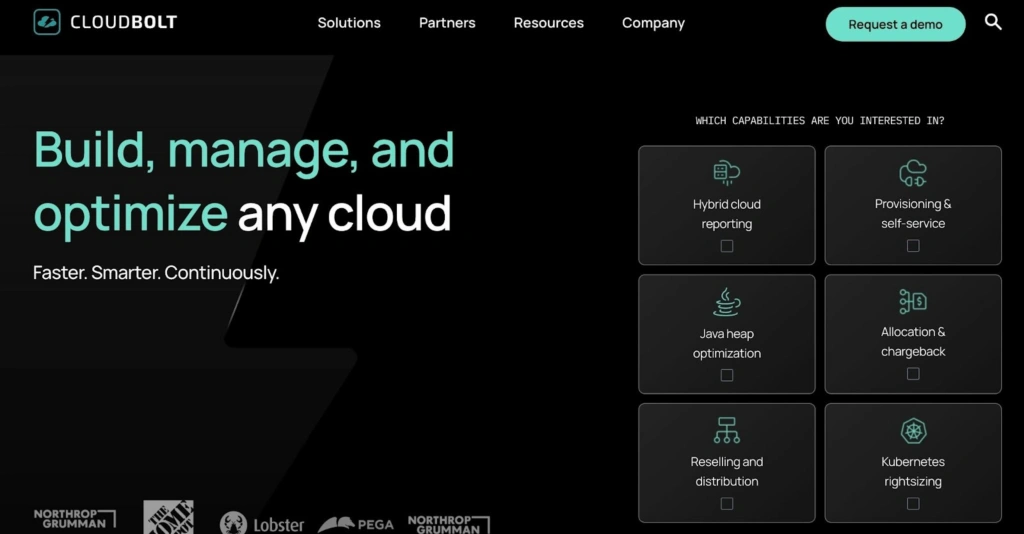
And beyond simply developing a stock, IBM provides their IBM Multicloud Management Platform (MCMP) Cost and Property Management (CAMERA) that examines costing and performance, continuously informing leadership of wastage and cost savings opportunities, successfully answering, what does it cost to run the organization, to provide IT services? What resources and how much are being taken in?
Cloud Property Management (CAM) is the procedure of tracking, enhancing, and governing cloud resources, consisting of infrastructure, applications, and information storage. It assists companies gain exposure into their cloud use, control expenses, ensure compliance, and avoid security risks. With cloud environments continuously progressing, reliable asset management is vital for maintaining efficiency and lowering waste.
Impact of Strict Governance On 2026 Cloud Expenditures
As business embark on digital transformation journeys, the cloud acts as a fundamental element for attaining their strategic objectives. This might involve hosting their own applications and data or leveraging third-party services like Amazon Web Provider, Microsoft Azure, or Google Cloud. With digital transformation efforts in complete swing, flexibility and dependability of IT resources can't be overemphasized.

Latest Posts
Maximizing IT Metrics for Budgetary Success
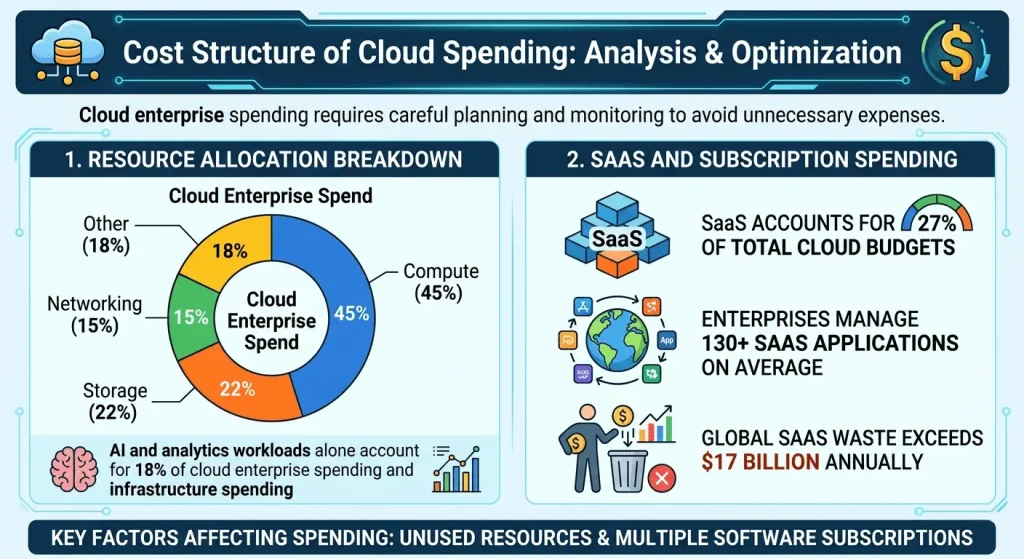
Improving Enterprise Efficiency KPIs Through Advanced Governance
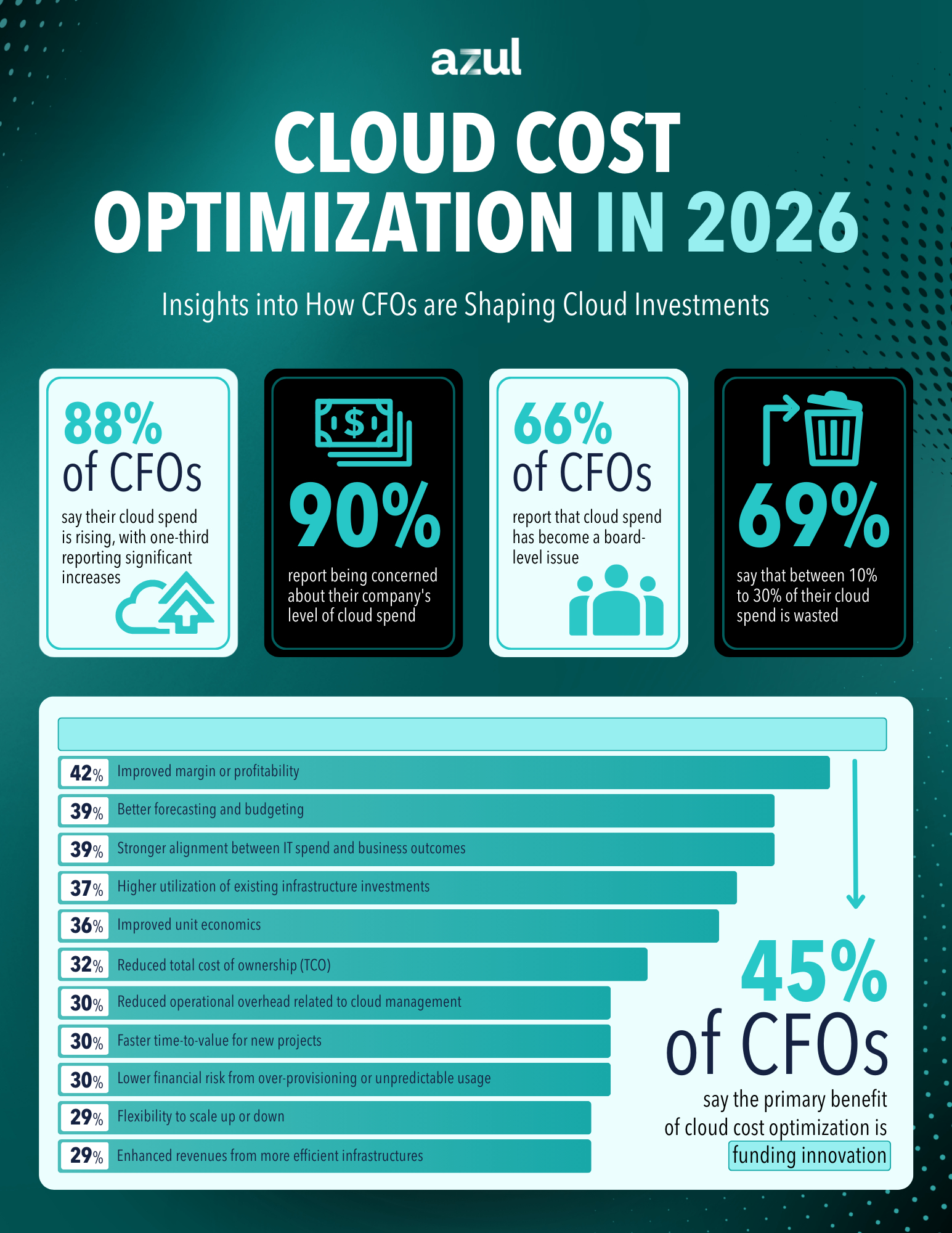
Effective Steps for Reducing Cloud Spend in 2026