All Categories
Featured
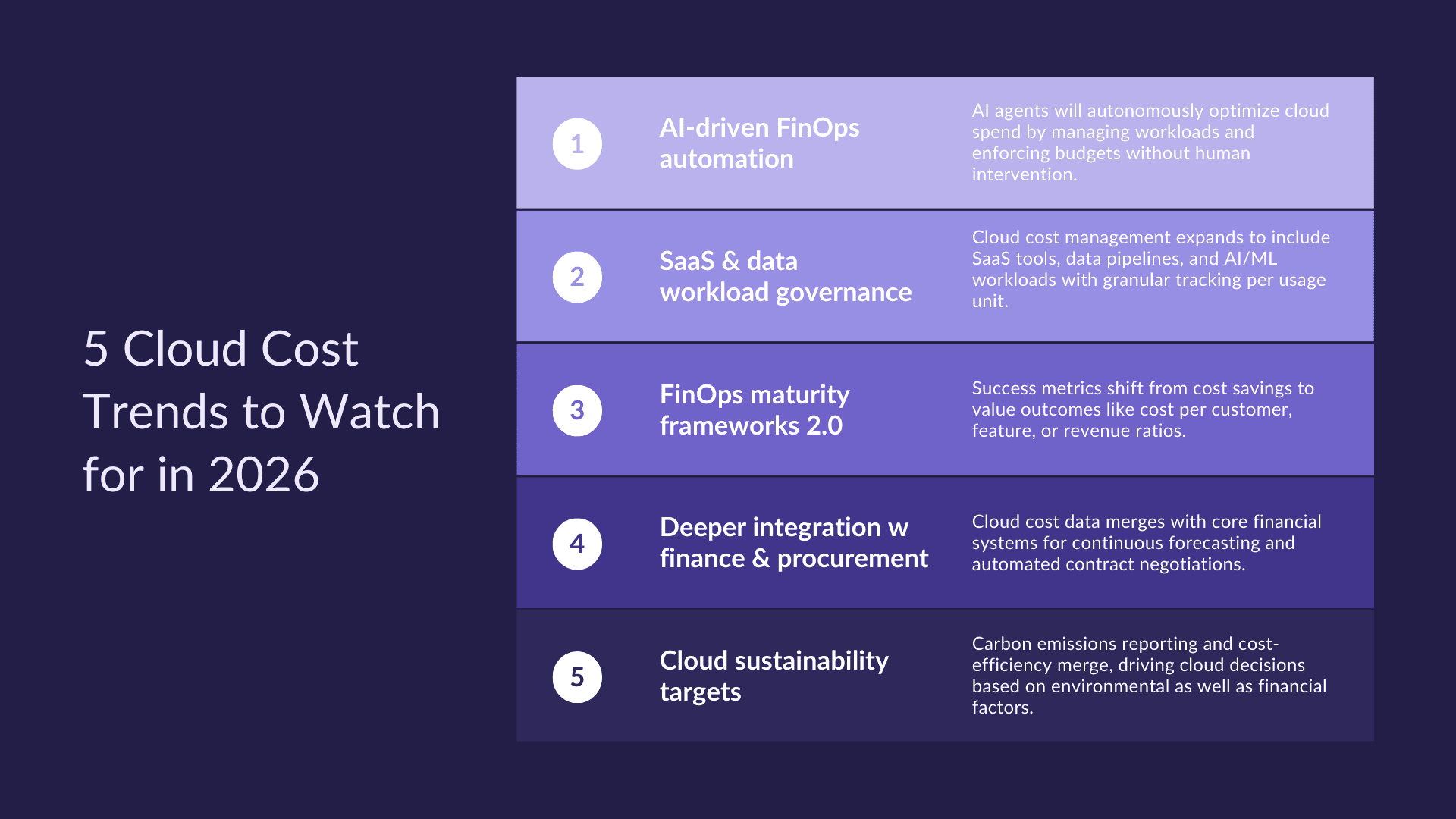

How Cost Governance Redefines 2026 IT Infrastructure
Table of Contents
Poor resource planning costs organizations billions each year due to missed due dates, exhausted teams, and opportunities that better-prepared competitors seize. The causal sequences touch everybody in your company, from disappointed managers to overwhelmed frontline workers who attempt to satisfy difficult demands with inadequate resources. Smart resource allocation forms the backbone of effective job management.
Whether you run production lines, coordinate shipments, or release IT systems, how you assign resources directly impacts your revenues and team satisfaction. This guide offers you tested frameworks, useful metrics, and real strategies to change resource allocation from a continuous scramble into your one-upmanship. Resource allotment is all about putting your properties precisely where they'll do the most excellent.
Imagine putting your best tools, people, and cash right where they'll make the greatest effect, type of like a chess player setting up their pieces for a winning relocation. This idea pops up all over in business. Economists use it to find out how societies distribute their limited resources. In job management, resource allotment indicates smartly designating your team, gear, cash, and time to different jobs.
How Cloud Optimization Redefines 2026 IT Infrastructure
Good resource allocation ensures you hit targets within your restrictions while preventing waste. When you designate resources efficiently, you develop a roadmap for releasing your most valuable possessions where they'll generate the greatest returns, instead of spreading them too thin across too many concerns. Reliable resource allocation distinguishes prospering companies from those constantly missing out on due dates and budgets.
Tech teams deal with even greater stakes with resource choices., designating people based on complementary abilities rather than just who's offered helps groups work more cohesively. Departments share understanding more easily, producing innovative solutions that isolated work never produces.
How to Refine IT Budgets in 2026
Expert services firms that maintain usage rates in between 70-85% generally find the sweet area between efficiency and avoiding burnout. You prevent the classic issue of some employee drowning in work while others with comparable skills sit idle, wondering what to do next. Balanced work and clear expectations increase staff member fulfillment.
When you disperse work fairly based on capacity and ability, your group feels valued instead of burned out or underused. This method not only balances workloads however likewise helps to improve staff member engagement, leading to lower turnover and higher quality work from determined workers who comprehend their function in the bigger picture.
Top Methods for Smarter IT Asset AllocationManufacturing business that use resource leveling techniques often cut functional expenses by 15-20% while delivering faster. You invest less on overtime, minimize waste from inefficient procedures, and prevent the surprise costs of hold-ups and revamp that pester inadequately planned tasks. Correct allowance enhances team output by matching jobs to the right abilities at optimum times, leading to substantial improvements in office productivity.

When individuals work on tasks lined up with their strengths during their peak hours, both quality and speed enhance drastically. Strategic allotment constructs strength against unanticipated obstacles. Effective resource allocation also helps in mitigating work environment risks by making sure that essential security steps are adequately resourced. By keeping buffers and cross-training team members, you decrease the impact of sick days, devices failures, or abrupt concern shifts.
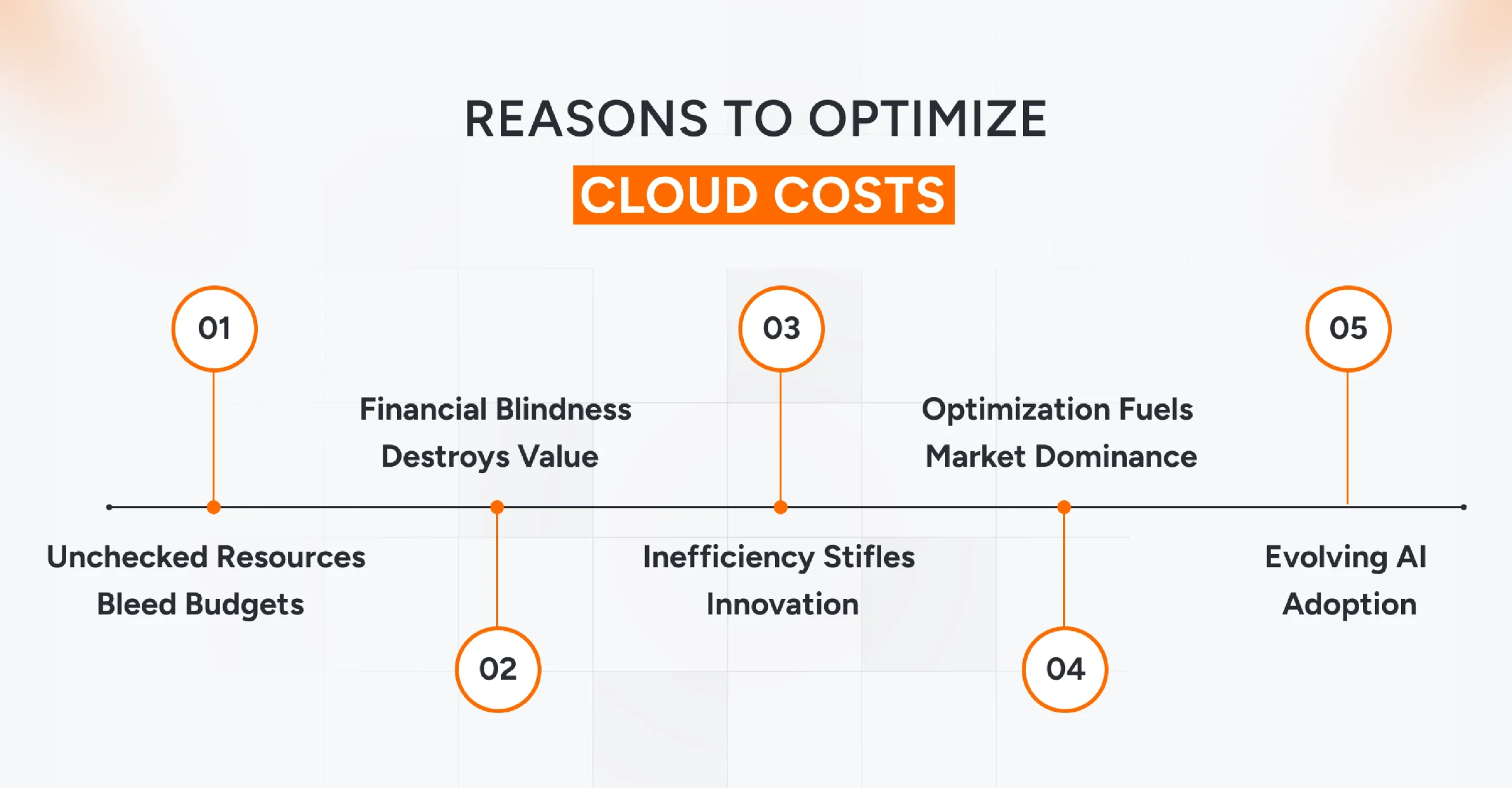
How Cloud Optimization Redefines 2026 IT Infrastructure
These advantages substance gradually, developing a benefit that rivals struggle to match. Company resources been available in two tastes: tangible and intangible. Smart allocation balances both classifications. Tangible properties keep daily operations running, while intangible resources sustain long-lasting development and market differentiation. The most effective organizations invest strategically in both, knowing that tomorrow's edge typically originates from assets you can not physically touch.
These assets offer simple evaluation with clear market prices, however they use down over time and require maintenance. Logistics companies face comparable difficulties as they keep delivery fleets while preparing vehicle upgrades.
The advantage of tangible resources lies in their measurability. Intangible resources lack physical kind however typically drive the most value today.

Latest Posts

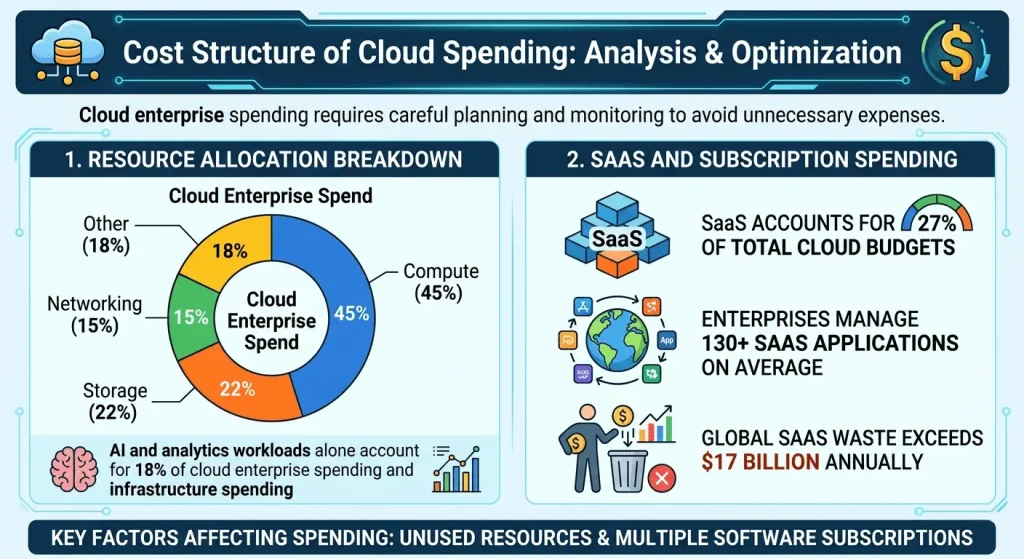
Maximizing IT Metrics for Budgetary Success
Improving Enterprise Efficiency KPIs Through Advanced Governance
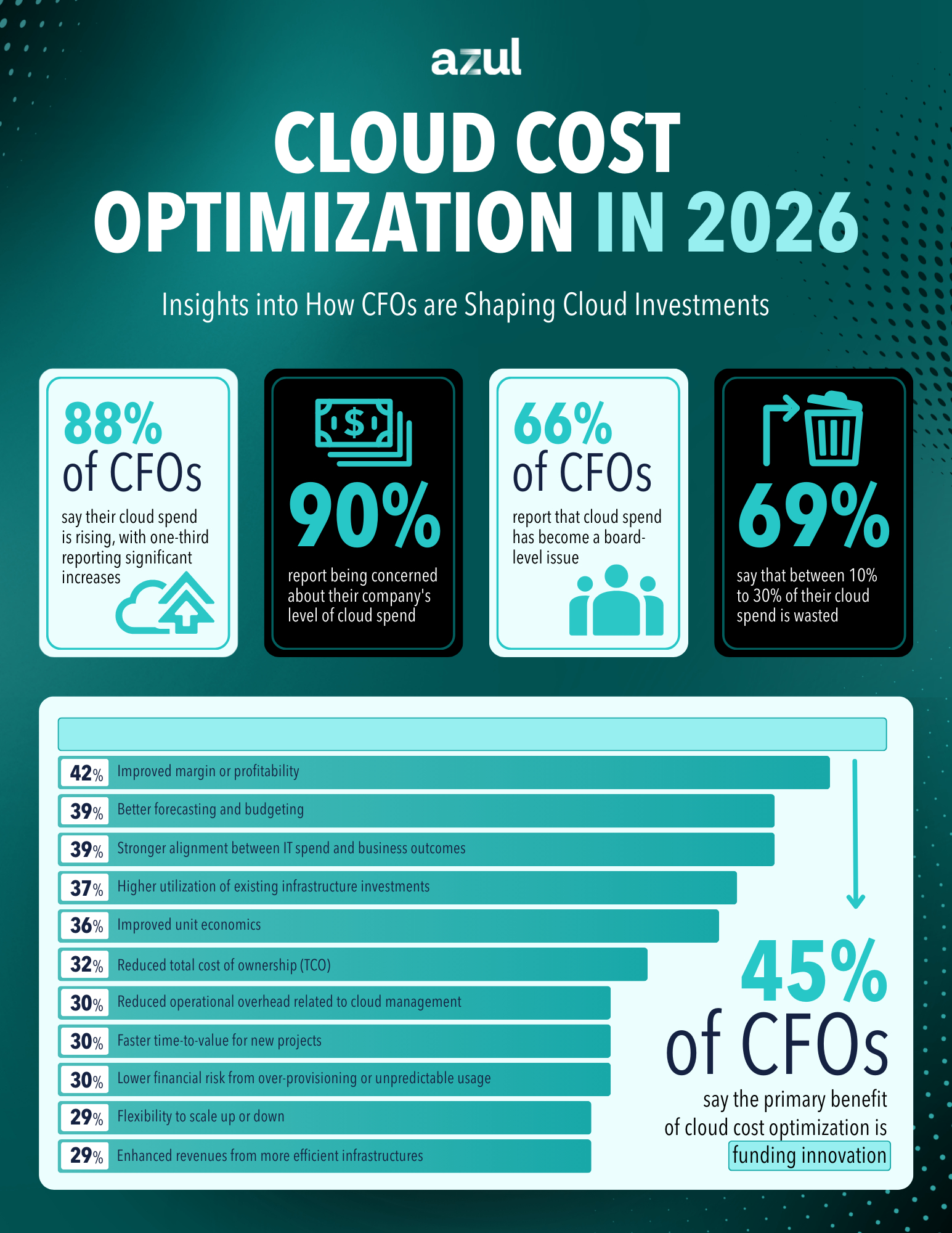
Effective Steps for Reducing Cloud Spend in 2026