All Categories
Featured
A Comprehensive Guide to 2026 IT Management
Table of Contents
To asses risk Waydev allows you to determine how likely it is a particular dedicate will trigger issues. In this case, there are particular information points that you need to take into consideration, such as the commit's size, how far do the changes spread, along with the modifications' depth. Continuous Integration (CI) and Continous Development (CD) are important in today's engineering community due to the fact that they ensure that your group provides software in an iterative form.
Using Efficiency Metrics to Drive Cloud ROI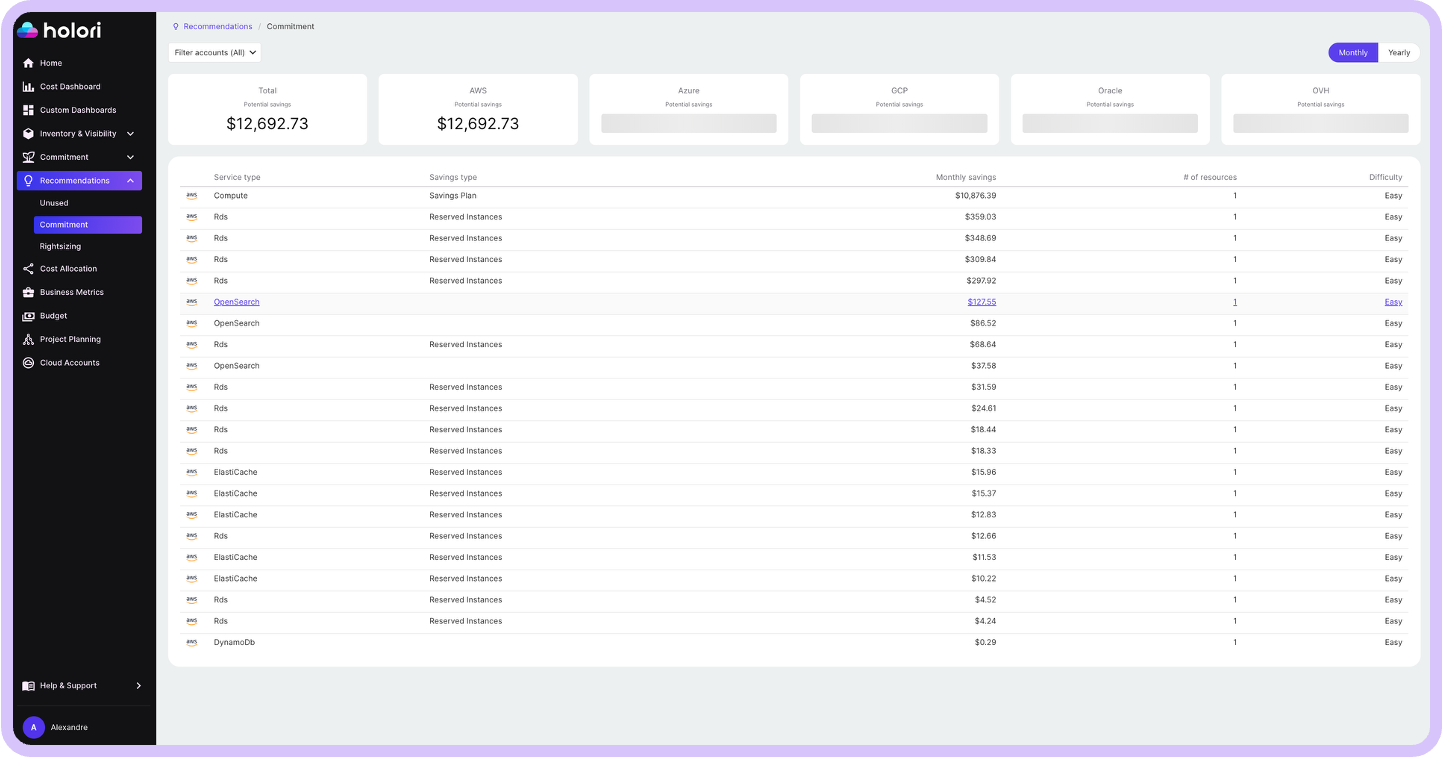
Our service instantly collects data from the Continuous Combination and Continous Advancement pipelines and tracks Gitlab repos, enabling you to analyze details without requiring any type of manual input. This is an exceptional method to monitor DevOps efficiency by focusing on DORA metrics. By automating these procedures and measurements, you might have a clear view of how release is going, examine what impacts burn-down rates, what causes traffic jams, and how to fix them.
With Waydev's Task Costs report, you have consistent insights on how work is progressing and how things look economically. This allows you to reallocate resources to deliver on time or enhance expenses and communicate task status to magnate. When done right, the aligns service requirements with innovation procedures, enabling Engineering Managers to optimize performance and evaluate threats.
IT governance concentrates on setting strategic instructions, policies, and oversight. IT management involves daily operations, carrying out tasks, and administering systems and services. Key stakeholders are executive leaders, IT managers, end users from business systems, and process owners. A governance council or committee provides oversight. Training should cover structure concepts, brand-new policies and treatments, governance functions and responsibilities, and any governance tools or systems being carried out.
Key Advantages of Centralized Resource Governance
More frequent evaluations might be needed for fast-changing environments. KPIs to determine effectiveness include IT cost optimization, IT and service technique positioning, user fulfillment, job ROI, and adherence to service levels. Danger management identifies hazards, examines effects, and develops mitigation methods. It makes sure governance effectively addresses details security, catastrophe healing, and regulative compliance.
Effective IT governance is a crucial component of general service strategy and corporate governance as a governance, risk and compliance (GRC) policy. IT governance manages governance and dangers while maintaining compliance with market and government guidelines. Optimizing IT governance needs the right mix of IT financial investments, policy and personnel. It assists companies match their IT goals with business goals.
As organizations increase their IT financial investments, the significance of a strong IT governance policy boosts. Chief information officers (CIOs) drive IT governance technique alongside other key stakeholders in the C-suite.
Reliable IT governance aligns technology choices with organization technique, manages threat, and ensures IT resources are used efficiently. This guide covers each action in useful detail, along with the frameworks, tools, and finest practices IT leaders use today.
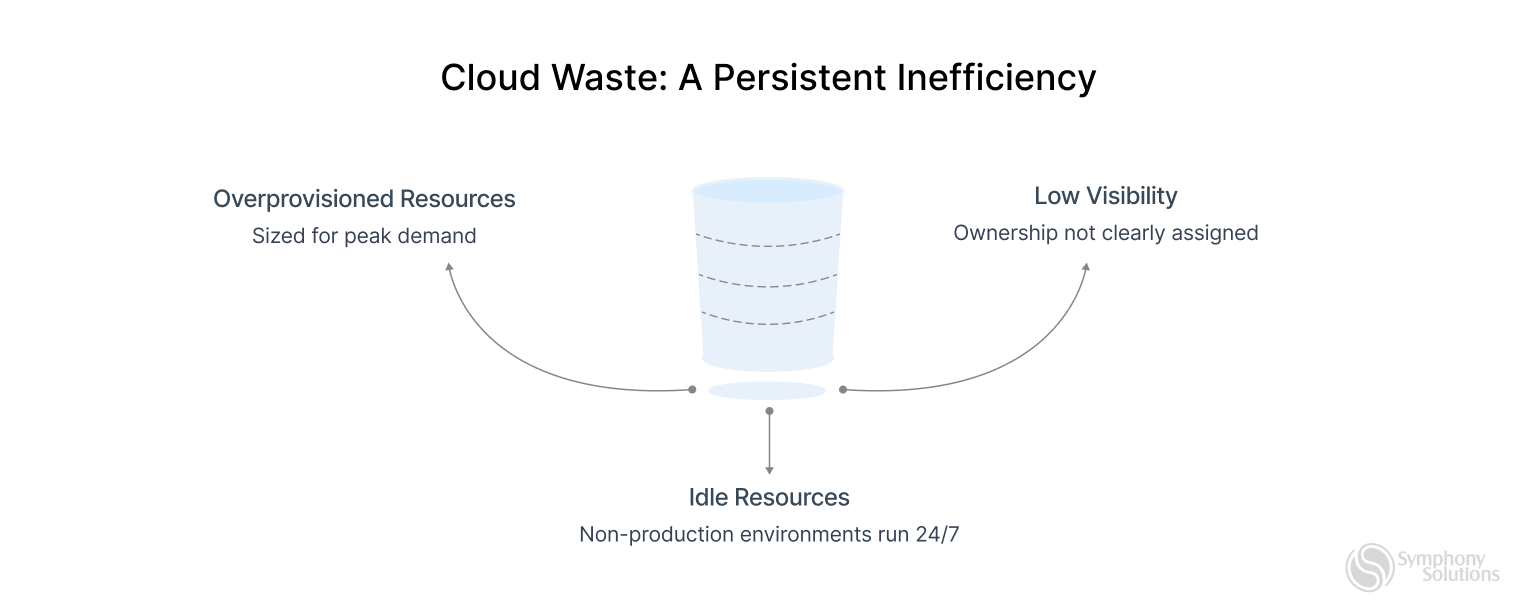
How to Build Robust Cloud Governance Frameworks
IT governance is a formal framework that directs and manages how an organization's details technology resources are handled, so that IT activity supports and advances overall service goals. It covers 4 interconnected areas:-planning, organizing, and directing making use of innovation resources -securing sensitive personal and corporate information and conference regulatory commitments - the daily tasks the IT department performs to meet predetermined objectives - the policies and controls that secure the stability and security of IT systems According to IBM, effective IT governance is a key part of total business strategy and corporate governance, frequently forming part of a broader Governance, Threat , and Compliance (GRC)policy. Reliable IT governance develops a direct link between innovation investment and quantifiable organization results. When governance is missing or poorly developed, IT departments operate in isolation, duplicating effort, collecting shadow IT, and creating compliance gaps. When governance is strong, IT choices are made by the right people at the best level, resources are directed toward strategic top priorities, and risk is handled proactively. For organizations undergoing digital improvement, governance is what avoids innovation modification from outpacing the company's capability to soak up and gain from it. Lemon Knowing's IT application support services are developed to assist groups embed governance procedures into everyday workflows so adoption equals modification. Implementing efficient IT governance and IT management follows a repeatable procedure. Engage senior IT supervisors, business unit leaders, compliance officers, and essential partners. Designate clear accountability for each governance domain. File escalation courses so that disagreementsare fixed at the right level instead of defaulting upward or stalling totally. Refer to the common IT governance errors organizations make at this stage to avoid duplicating them. The option depends on size, industry, regulative environment, and maturity. The most extensively adopted options are compared in the table below. Structure Primary focus Best matched for IT governance and management, risk control, audit preparedness Big business, regulated markets IT service management aligned to company requirements Organizations with a mature IT service function International requirements for IT service management and business IT governance Organizations looking for certified, worldwide acknowledged governance CMMI(Capability Maturity Model Integration)Process enhancement ranked on a scale of 1 to 5 Organizations benchmarking and enhancing development or delivery capability COSO (Committee of Sponsoring Organizations of the Treadway Commission)Internal control and enterprise danger management Organizations focusing on financial controls and fraud deterrence CIS( Center for Web Security)Controls Cybersecurity and infrastructure durability Organizations enhancing technical security posture Lots of companies integrate structures. Explore the vital security accreditations that enhance these governance frameworks. An IT governance plan just ends up being real when it is recorded, focused on, and shared. The roadmap needs to specify: Short, medium, and long-lasting IT governance turning points Resource requirements and spending plan allocation Specific IT jobs tied to business goals Communication touchpoints for all stakeholders Training and capability-building activities for IT and service personnel Strategic alignment is the foundation of this step. Selecting the ideal mode for your company forms the whole roadmap. Communication is not a one-time occasion. All stakeholders- from the board and senior management to IT staff and end users-require to understand the governance strategy, their role in it, and how success will be measured. Governance that is not determined does not improve. Dashboard metrics generally cover: IT system efficiency and availability IT resource usage and cost effectiveness Danger incidents and their resolution times Alignment between IT job outcomes and company goals Compliance audit results Official external evaluation by a recognized standards body can include trustworthiness and surface area blind spots that internal evaluations miss.

Latest Posts
Maximizing IT Metrics for Budgetary Success
Improving Enterprise Efficiency KPIs Through Advanced Governance
Effective Steps for Reducing Cloud Spend in 2026