All Categories
Featured
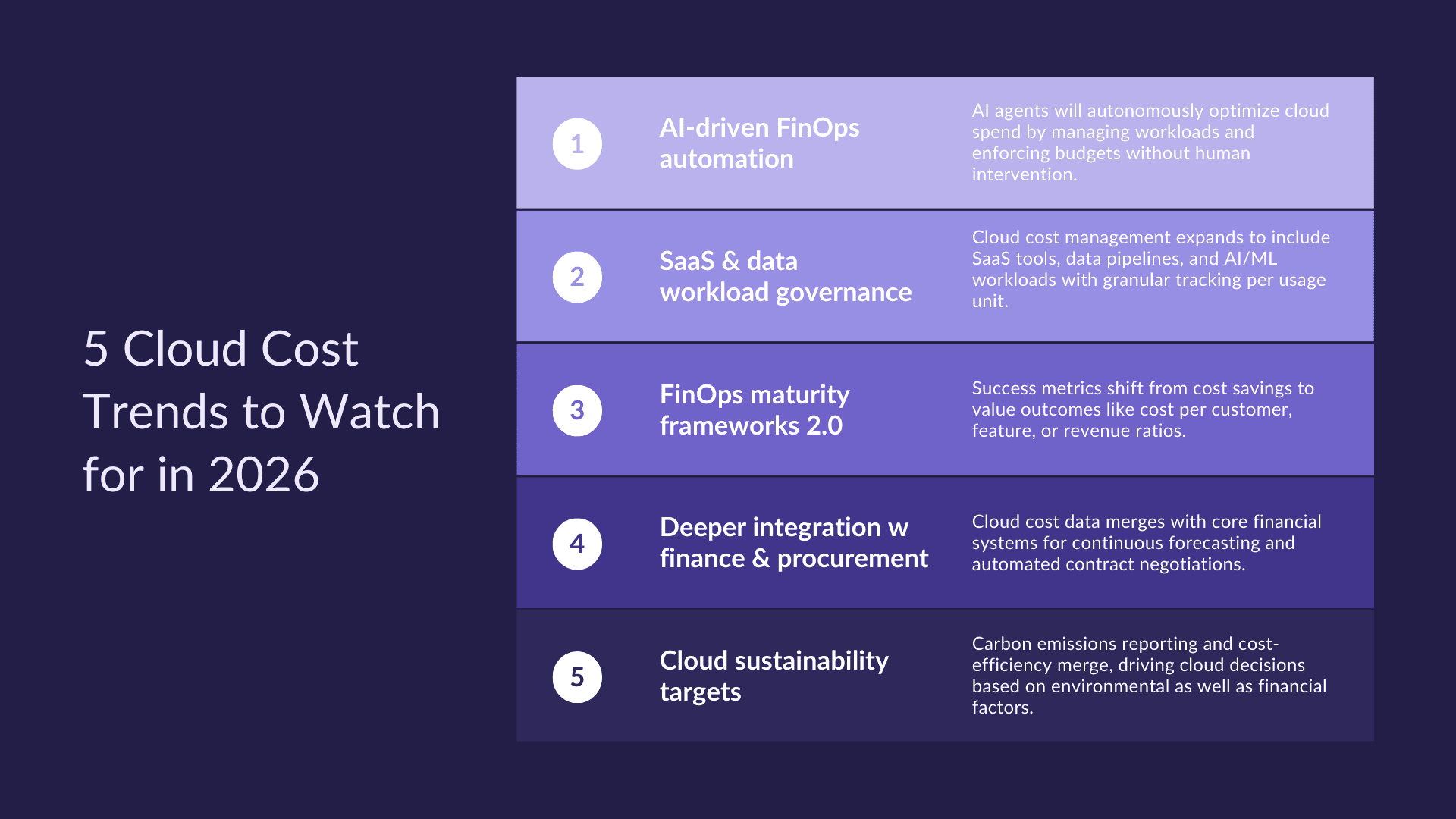

A Comprehensive Guide to 2026 Infrastructure Governance
Table of Contents
Governance is a constant cycle, not a one-time job. Beyond the 5 implementation steps, the following finest practices identify companies where IT governance consistently provides worth from those where it ends up being a compliance exercise., not as a downstream activity but as a concurrent input to strategic choices. Governance that is not visibly supported at the senior management level will not gain the organizational traction required to be reliable.
Small companies must focus on 3 concerns: establishing clear ownership of IT decisions (even if a single person holds several roles), securing delicate information through basic security controls and compliance checks, and aligning technology costs with business plan. A lightweight variation of COBIT or the ISO/IEC 38500 standard for business governance of IT offers a helpful starting structure without requiring a large devoted team.
Efficient IT governance is not a regulatory burden - it is a competitive lever. Organizations that execute it well make much faster, better-informed technology choices, protect themselves from costly danger events, and extract more worth from every IT financial investment. The five-step method laid out here - evaluate, define authority, select a structure, develop a roadmap, and measure results - provides a practical path from intent to execution.
Whether your company is constructing an IT governance plan from scratch or enhancing an existing structure, the structure is the same: clear accountability, the right structure, and a dedication to constant improvement. Frequently asked question What is an IT governance application strategy?+An IT governance execution plan is a structured roadmap that specifies the policies, roles, decision-making processes, and frameworks an organization will utilize to align IT operations with business strategy.
What are the very best IT governance structures to implement?+The most widely adopted IT governance frameworks are COBIT (Control Goals for Info and Related Innovation), ITIL (Infotech Facilities Library), ISO/IEC 38500 for corporate governance of IT, and CMMI (Ability Maturity Model Integration). The ideal option depends on your company's size, industry, risk profile, and existing procedures.
Effective Infrastructure Budget Allocation Techniques
Small companies must focus on 3 priorities: establishing clear ownership of IT choices (even if a single person holds multiple functions), safeguarding delicate information through fundamental security controls and compliance checks, and lining up technology spending with the organization plan. A lightweight version of COBIT or the ISO/IEC 38500 requirement for business governance of IT offers a helpful starting structure without requiring a large devoted team.
Effective IT governance is not a regulatory burden - it is a competitive lever. Organizations that implement it well make faster, better-informed technology decisions, safeguard themselves from costly danger events, and extract more value from every IT financial investment. The five-step technique laid out here - evaluate, define authority, select a framework, build a roadmap, and measure results - offers a useful course from intent to execution.
Whether your company is building an IT governance strategy from scratch or reinforcing an existing structure, the foundation is the same: clear accountability, the right structure, and a dedication to constant improvement. FAQ What is an IT governance application strategy?+An IT governance implementation plan is a structured roadmap that defines the policies, roles, decision-making procedures, and frameworks a company will use to align IT operations with organization technique.
What are the finest IT governance frameworks to carry out?+The most commonly adopted IT governance frameworks are COBIT (Control Goals for Details and Related Innovation), ITIL (Infotech Facilities Library), ISO/IEC 38500 for business governance of IT, and CMMI (Capability Maturity Design Combination). The best option depends on your organization's size, market, danger profile, and existing processes.
Boosting Enterprise Performance Through Better Planning
Small companies should focus on three top priorities: developing clear ownership of IT choices (even if a single person holds numerous roles), protecting delicate information through fundamental security controls and compliance checks, and lining up technology spending with the service plan. A light-weight variation of COBIT or the ISO/IEC 38500 standard for business governance of IT offers a useful beginning structure without requiring a big devoted group.
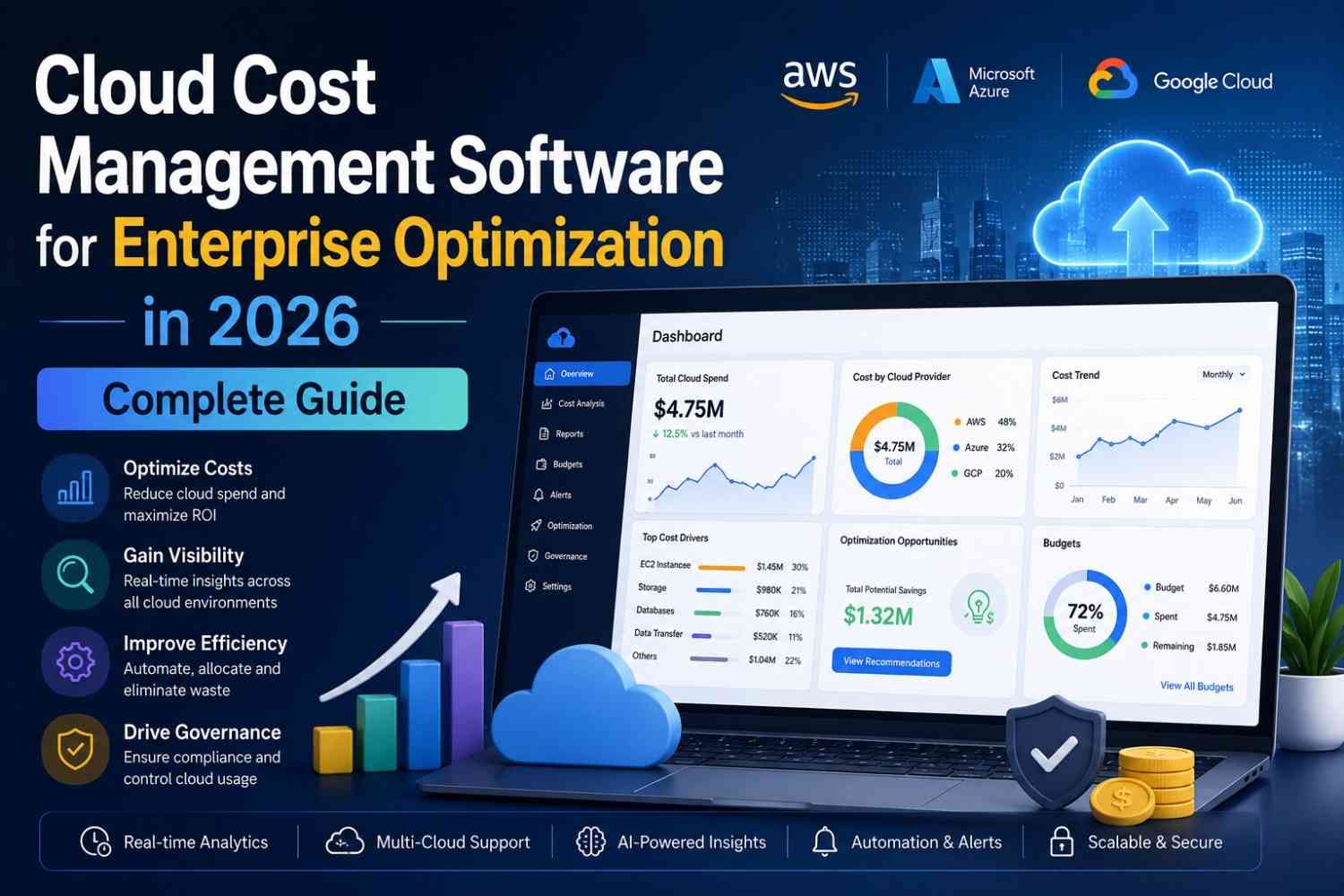
Efficient IT governance is not a regulative concern - it is a competitive lever. Organizations that execute it well make much faster, better-informed technology choices, secure themselves from expensive risk occasions, and extract more worth from every IT financial investment. The five-step technique described here - examine, specify authority, pick a structure, develop a roadmap, and determine outcomes - provides a practical course from intent to execution.
How Cost Governance Redefines 2026 IT InfrastructureWhether your company is developing an IT governance strategy from scratch or reinforcing an existing structure, the foundation is the same: clear responsibility, the right structure, and a dedication to continuous improvement. FAQ What is an IT governance application plan?+An IT governance application strategy is a structured roadmap that defines the policies, roles, decision-making processes, and structures a company will utilize to align IT operations with organization technique.
How Cost Governance Redefines 2026 IT InfrastructureImproving Enterprise Asset Management Frameworks
What are the very best IT governance structures to execute?+The most commonly embraced IT governance frameworks are COBIT (Control Objectives for Details and Related Innovation), ITIL (Details Technology Facilities Library), ISO/IEC 38500 for corporate governance of IT, and CMMI (Capability Maturity Design Combination). The right option depends upon your organization's size, industry, risk profile, and existing processes.

Latest Posts

Maximizing IT Metrics for Budgetary Success
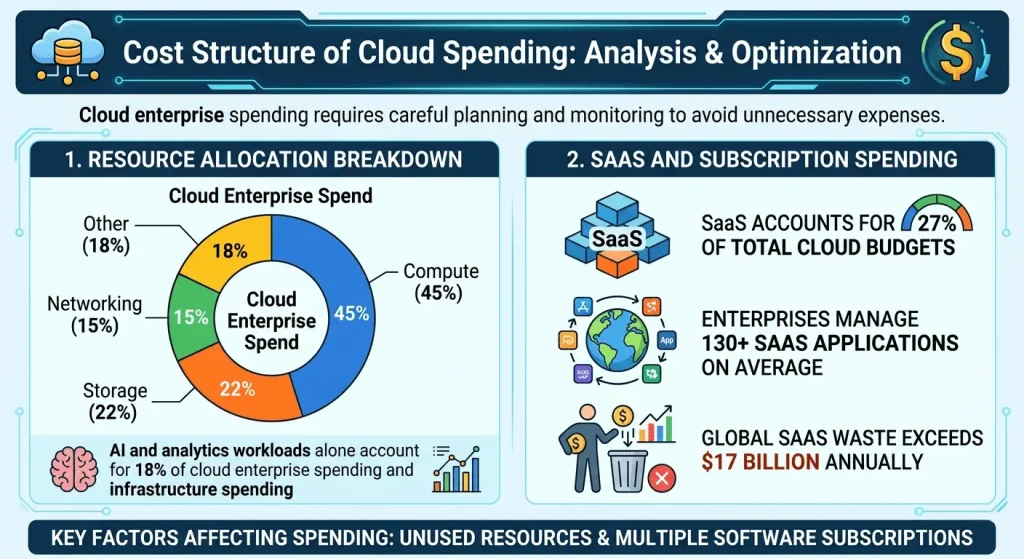
Improving Enterprise Efficiency KPIs Through Advanced Governance
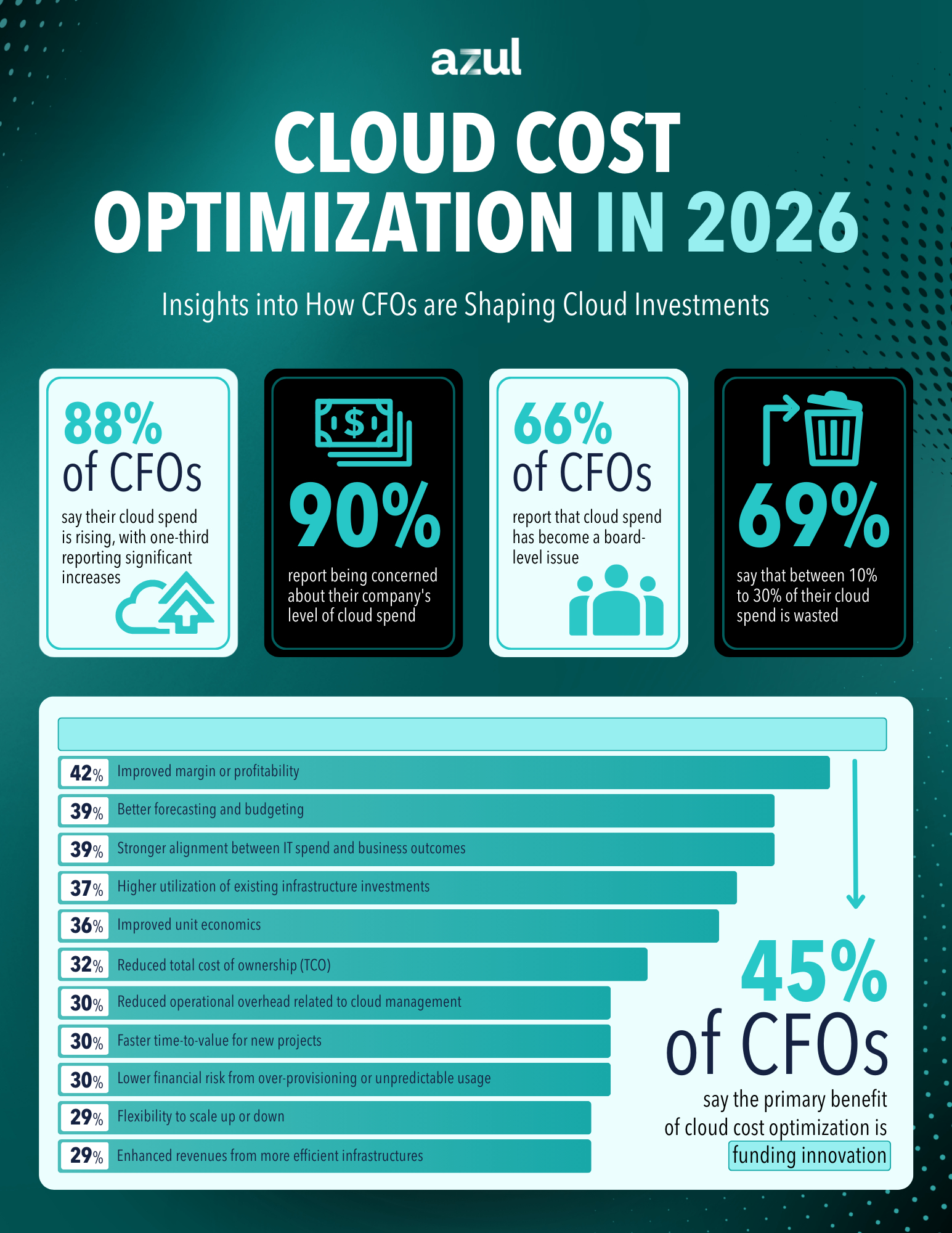
Effective Steps for Reducing Cloud Spend in 2026